
Medical researchers at Stanford may be unlocking key mysteries of how COVID-19 variants including Omicron came to be and why it’s spreading so fast.
They also may have found a key to slowing it down. All of that is because of their efforts on another pandemic.

Scientists have speculated that of all the other unnamed variants, omicron evolved faster and with more mutations because it likely originated in someone with a compromised immune system, potentially someone with HIV.
Stanford researchers including Dr. Seth Hoffman agreed after finding similar evidence when treating a patient with “uncontrolled” HIV, who contracted an unnamed COVID-19 variant several months ago.
“She developed those mutations within a short time span of 15 days, where her immune system was not working properly to evade or control the COVID infection,” he said.
Hoffman added the HIV patient is an example of how someone with an already compromised immune system could spread a mutated form of COVID-19 rapidly in public, if she had not been isolated.
But he stated the most significant finding is that the patient responded so well to readily available.
AIDS treatment and that allowed her to fight off the virus quickly. It means that battling the HIV epidemic could be key to slowing the COVID-19 pandemic.
“Treatment is so effective today. All over the world that we can actually stop their infections in their track and reduce the chance of spreading any sort of new variant.”
The Stanford discovery was applauded by Dr. Peter Chin-Hong of UCSF.
He echoed Hoffman’s sentiments that the message here is not to stigmatize HIV patients or anyone with compromised systems such as those with cancer or awaiting transplants, but to make sure we’re doing all we can to get them treatment.
“We’re not really sure where these variants emerge but it does make a good case for being comprehensive in taking care of ‘everyone’s’ health,’” Chin-Hong said.
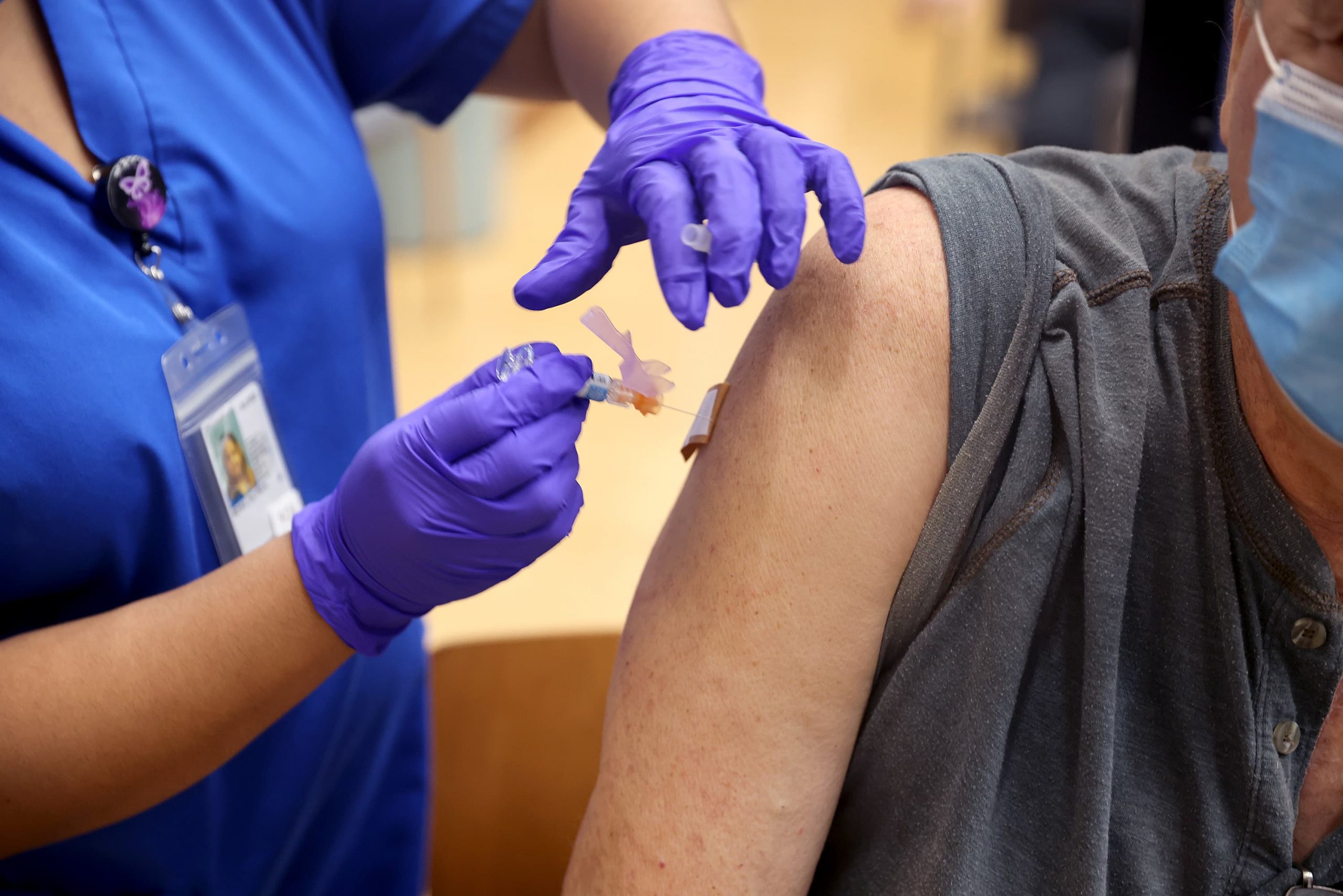
Both experts also reiterated the education for getting vaccinated to protect the one getting the shot and, hopefully, reduce transmission to those with compromised immune systems who develop those prolonged infections.
Source: NBC Bay Area

Be First to Comment