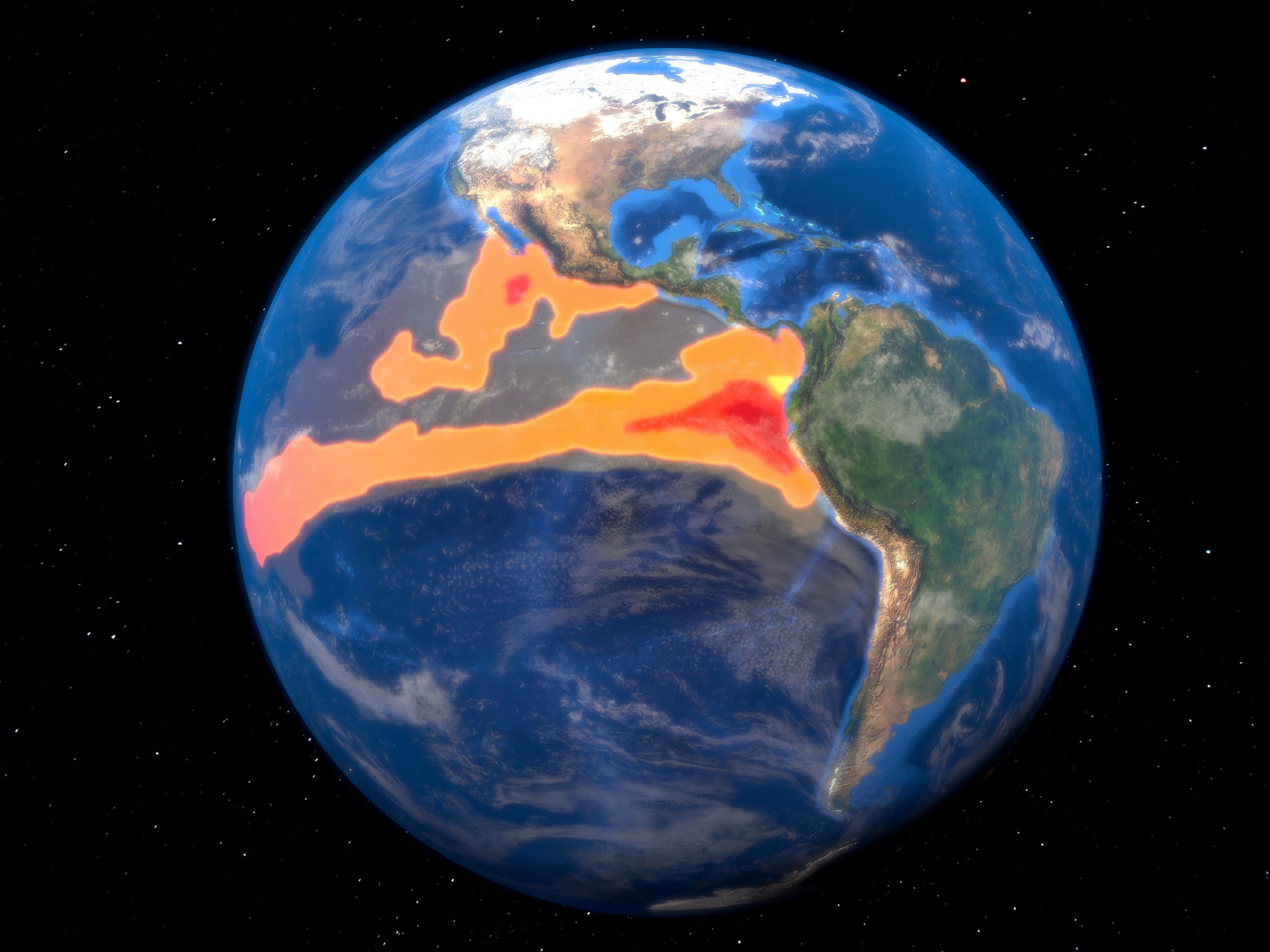
The National Oceanic and Atmospheric Administration (NOAA) announced the arrival of the climactic condition known as El Niño last Thursday.
This year’s El Niño formed about a month or two earlier than usual, giving it more time to grow. NOAA’s El Niño/La Niña forecast office reported a 56% chance it will be considered strong, likely to alter weather around the globe and drive hotter temperatures to an already warming Earth.
What is El Niño?
El Niño is a natural, temporary warming of the waters on the eastern Pacific Ocean, according to NOAA. This warming, which occurs around the equator, drives hotter weather and shifts weather patterns across the world by altering the paths of storms.
NOAA explains that in the United States, a moderate to strong El Niño in the fall and winter has tended to result in wetter-than-average conditions across the southern half of the country, including Southern California, and drier-than-average conditions across the northern United States.
In the past, strong El Niño conditions have led to record-breaking global warmth, such as in 2016. Scientists say that the onset of this year’s El Niño may place 2023 in the running for our warmest year on record when combined with the warming effects of climate change.
NOAA’s announcement comes after an unusually long-lasting and strong La Niña — El Niño’s sister condition with cooling in the Pacific — that worsened drought in the Western U.S. and brought increased hurricane activity to the Atlantic.
How will El Niño affect Southern California?
Fresh off a historic winter which brought increased precipitation and snow across the state, the arrival of El Niño could mean California may be in for another season of rain.
However, not all El Niño events are the same, and the climate pattern’s typically wet conditions have not always occurred for Southern California. In 2015-16, one of the strongest El Niño on record ended up bringing about one of the driest years ever for Los Angeles.
This year’s potentially strong El Niño also follows a rare, 3-year long La Niña and record oceanic warmth driven by climate change. These historically unusual conditions combine together to create uncertainty for climate scientists as they struggle to predict what this year’s weather conditions may bring to the world.
Southern California continues to experience a stretch of cool and cloudy weather in contrast to the rest of the globe, where recent months have been warmer than average.
The latest outlook from NOAA indicates that cooler-than-normal temperatures will continue in Southern California through the end of the month.
Source: NBC Los Angeles

Be First to Comment